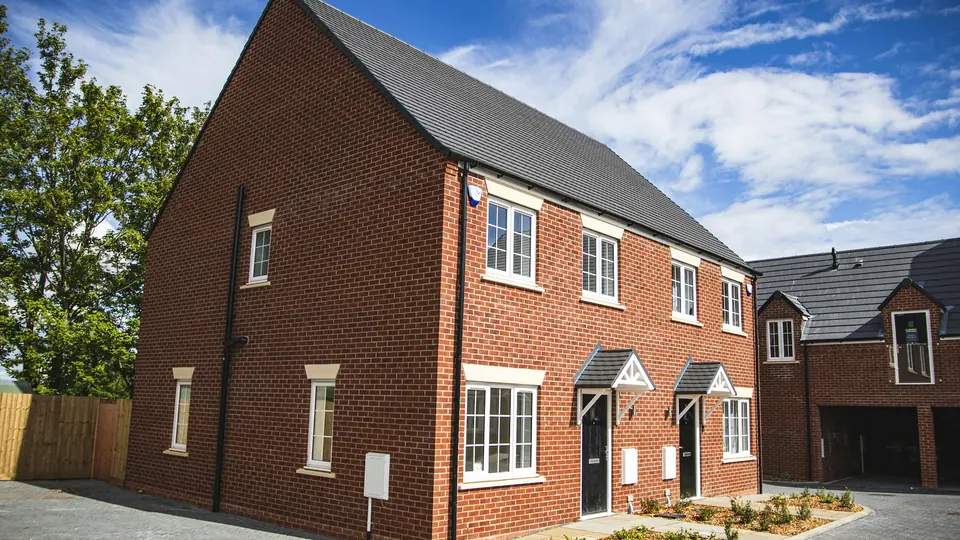
Why lenders prefer an SPV
- Clean security: the lender can take a charge over the site and a debenture over the company, with no other creditors
- Clear purpose: the company exists only for the development
- Simpler enforcement and repayment: sales proceeds flow through one company
- Partners and investors can hold shares in proportion to their contribution
Lenders will still look through the company at its directors and shareholders, assess their experience and usually take personal guarantees. See personal guarantees explained.
Setting one up
An SPV is a private limited company registered at Companies House. Points lenders commonly check:
- SIC codes that reflect property activity, such as 41100 for development of building projects or 68100 for buying and selling own real estate
- Directors and shareholders, with anyone owning a significant share named as a person with significant control
- No prior trading or liabilities unrelated to the development
- A UK business bank account in the company's name
- Articles of association that allow borrowing and granting security
Newly formed SPVs with no accounts are routine for lenders.
Joint ventures and shareholders' agreements
Where more than one party is involved, a shareholders' agreement is essential. It should cover each party's contribution of cash, land or expertise, how decisions are made, how profit is split, who gives personal guarantees, what happens if more money is needed, and how a party can exit. Lenders may ask to see it. See the capital stack explained.
Tax and accounting
Company structures can change how profits are taxed, and buying land into a company has stamp duty implications. Development profits are usually trading profits rather than investment returns. These are matters for your accountant and solicitor, and the answer depends on your wider position. See stamp duty land tax on gov.uk.
Personal or company borrowing
Smaller projects can sometimes be funded in personal names, and some lenders accept partnerships and LLPs. But for most development lenders, an SPV is the expected structure. A loan to a limited company is not a regulated mortgage contract. See limited company and SPV bridging and limited company bridging loans.
When your structure is ready, compare development lenders on Instant Quotes and apply online.
Common questions
Should I use an SPV for property development?
Usually, yes. Most development lenders prefer or require an SPV. Take tax and legal advice on the right structure for you.
Can a new SPV with no accounts get development finance?
Yes. Lenders assess the directors, shareholders and their experience rather than the company's trading history.
What SIC code should a development SPV use?
Lenders commonly look for property codes such as 41100 for development of building projects or 68100 for buying and selling own real estate.
Will I need to give a personal guarantee?
Most development lenders ask directors or major shareholders for one, though the amount and terms vary.
This guide is for general information only and should not be treated as legal, tax or financial advice. Lender requirements depend on the property and your circumstances.
