Light and heavy refurbishment
Light refurbishment covers works that improve a property without changing its structure. Typical examples are kitchens, bathrooms, rewiring, new windows and decoration. Planning permission is not normally needed, and many lenders treat these cases close to a standard bridge.
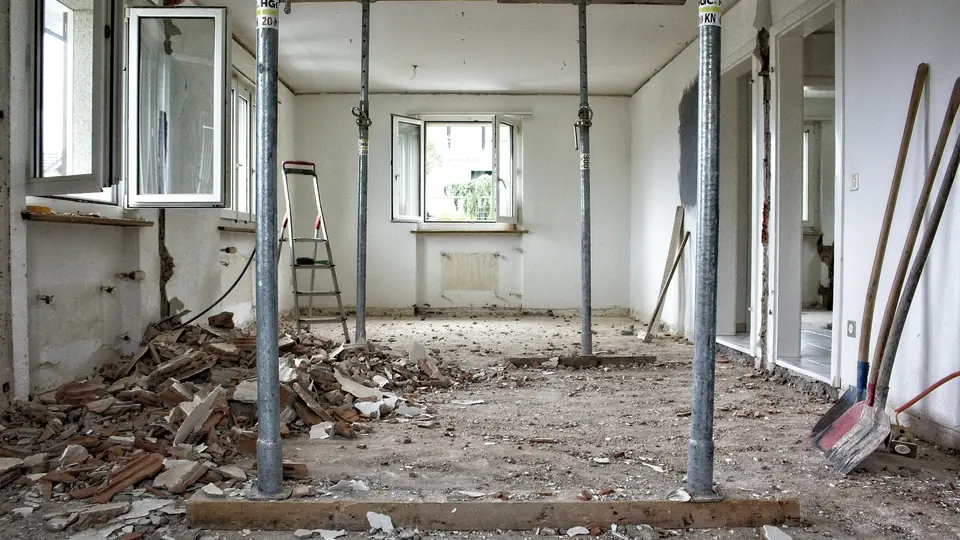
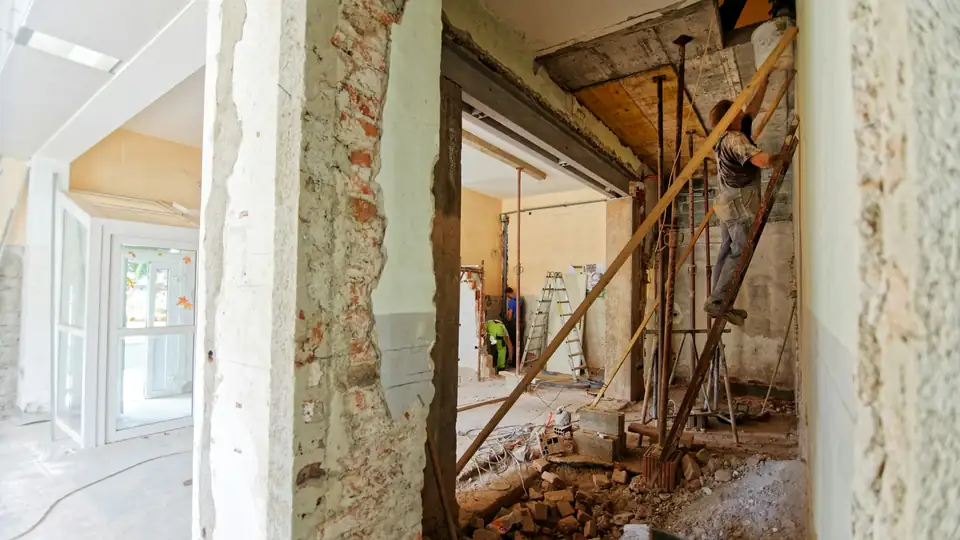
Heavy refurbishment covers structural work: removing load-bearing walls, extensions, loft conversions, changes of layout and works that need planning permission or building regulations approval. Lenders look more closely at the plans, the contractor and the budget, and the terms reflect the extra risk.
Lenders define the line differently, and some also look at the cost of the works relative to the property's value. Describing the project accurately matters. A case presented as light refurbishment that turns out to involve structural work can be delayed or declined at valuation, so we check the schedule of works before deciding which lenders to approach.
How works funding is released
Most refurbishment lenders advance a share of the purchase price on day one and release funds for the works in stages. Before each release, the lender's surveyor or valuer usually inspects the property to confirm the work completed. Releases are normally in arrears, so you need to fund each stage until it is reimbursed.
Some lenders will advance part of the works budget at the start, particularly on lighter projects, and some fund 100% of the works cost on top of the day-one advance. Others base the total facility on the expected value after the works, known as the gross development value or end value.
These differences have a real effect on how much of your own cash the project needs. We compare the day-one advance, the works funding and the inspection process side by side, rather than the rate alone.
What a strong case includes
Refurbishment lenders want confidence that the works will be finished on budget and on time, and that the improved property will support the exit. A clear case usually includes:
- A schedule of works with itemised costs and a contingency
- Contractor quotes, or details of who will manage the works
- Planning permission or building regulations approval where needed
- Evidence of the expected value after works, such as comparable sales
- A summary of similar projects you have completed
For heavy works, lenders often want drawings and may ask for an initial monitoring report. If you are new to refurbishment, starting with a lighter project or using an experienced contractor can widen the choice of lenders.
Exiting a refurbishment bridge
Most refurbishment bridges are repaid by selling the improved property or refinancing onto a buy-to-let or commercial mortgage at the higher value. If you plan to refinance, check early that the finished property will meet the mortgage lender's criteria, including any rental cover tests and minimum ownership periods.
Allow enough time in the term for the works, building control sign-off, valuation and the refinance or sale to complete. Delays on site are common, so a term with headroom is usually worth the small extra cost.
We look at the full plan, from purchase through to the exit, before recommending lenders. Indicative quotes from our panel are a starting point and final terms depend on the lender's valuation and checks.
If you or your family will live in the property
If the borrower is an individual or the trustees of a trust, and the property is, or will be, lived in by you or a close family member, the bridge is a regulated mortgage contract with additional protections. We will tell you at the outset if that applies and how your case will be handled, and Instant Quotes shows only products built for regulated bridging when you tell us so.
Your home or property may be repossessed if you do not keep up repayments on a mortgage or any other debt secured on it.