How self-build funding is released
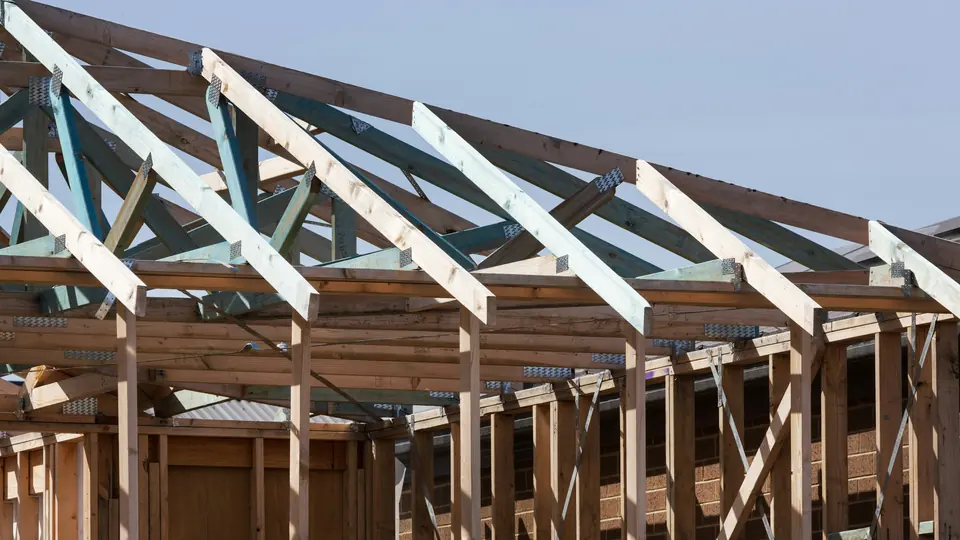
Self-build lenders release money in stages, typically for the plot, then for key points in the build such as foundations, wall plate, roof and making the house watertight, first fix, and completion. Before each release, a surveyor inspects the work.
Most stage payments are made in arrears, after each stage is complete, which means you need funds to pay for the work before it is reimbursed. Some lenders offer releases in advance of each stage, which reduces the cash you need but is less widely available.
Your own deposit is usually needed towards the plot and the early stages. Planning how your cash and the lender's releases fit together is one of the most important parts of a self-build budget.
Regulated self-build and how we handle it
If the property is, or will be, lived in by you or a close family member, the loan is a regulated mortgage contract and comes with additional protections. Most self-build finance falls into this category, because the finished house will be your home. We will tell you at the outset if that applies and how your case will be handled.
Lenders assess affordability, and will want to know how you will pay the interest during the build and how the loan will be repaid at the end. Some self-build loans are short-term and repaid by a residential mortgage once the house is finished. Others convert to a longer-term mortgage at completion.
Your home or property may be repossessed if you do not keep up repayments on a mortgage or any other debt secured on it.
Preparing a self-build case
Lenders need confidence that the house can be built for the budget and that the finished home will be worth enough to support the loan. A strong case includes:
- Detailed planning permission, with conditions discharged where possible
- Architect's drawings and building regulations approval
- A detailed cost plan, ideally reviewed by a quantity surveyor, with a contingency
- Quotes from your contractor, package company or main trades
- Arrangements for a structural warranty or architect's certificate
A warranty or professional certificate matters because a mortgage lender will normally need one when you refinance. It should be arranged before work starts, as warranty providers usually inspect throughout the build.
Build costs on self-build projects often rise as decisions are made on site, so a realistic contingency protects both the budget and the lender's view of the case.
Self-build mortgages when you already own the land
If you already own the plot, the loan can be focused on the build costs rather than the land. Lenders will usually value the land and take that value into account alongside any cash you are putting in, so owning the plot outright can reduce the deposit you need for the build. The plot needs planning permission, a clear title and, where it is mortgaged, the existing lender will normally need to be repaid or agree to the new arrangement.
If you are building on part of a larger property you own, such as a garden plot, tell us at the start. The lender may need the plot to be on its own title, and its value can be affected by access and services. If you have not yet bought a plot, land finance can help you secure one before the build finance is in place.
Self-build mortgage rates and what affects them
Self-build mortgage rates are set by each lender and depend on the case, so we do not publish them here. The main factors are the loan to value at each stage, whether funds are released in advance or in arrears, your income and credit history, who is building the house and the warranty arrangements. Where a loan converts to a longer-term mortgage at completion, the rate during the build and the rate afterwards can differ.
Instant Quotes gives indicative figures from lenders on our panel that offer self-build finance, based on your answers. They are not offers, and final terms depend on the valuation, your affordability and each lender's checks.
Help available to self-builders
A few public schemes can help with the cost and the search for a plot:
- In England, councils must keep a self-build and custom housebuilding register of people looking for serviced plots, and must give suitable permission for enough serviced plots to meet the demand on it. See the GOV.UK guidance on self-build and custom housebuilding
- If you build a new home, you can usually claim back VAT on eligible building materials and services through HMRC's scheme for DIY housebuilders. For work finished on or after 5 December 2023, the claim must be made within 6 months, and only one claim can be made. See VAT refunds for DIY housebuilders on GOV.UK
In Scotland, a building warrant is needed from the local council before work starts. Some lenders on our panel offer self-build finance across Great Britain, and our page on development finance in Scotland covers the Scottish rules in more detail.
If the property is, or will be, lived in by you or a close family member, the loan is a regulated mortgage contract and comes with additional protections. We will tell you at the outset if that applies and how your case will be handled.