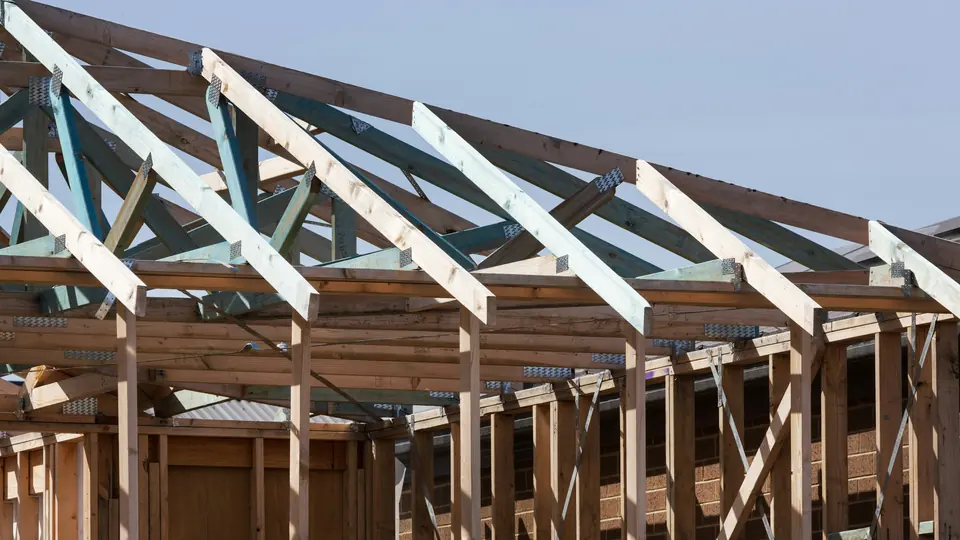
Development finance in Scotland

Property development finance in Scotland

Development finance in Scotland funds new-build and conversion schemes on Scottish sites, usually with part of the land cost advanced on day one and the build costs released in stages. Scotland has its own planning system, building standards, property law and land tax, and not every development lender lends there. We compare the lenders on our panel that fund development in Scotland and check their coverage for your site.

On our panel, 31 lenders offer development finance in Scotland, with rates from 7.1% a year, loans from £10,000 to £100m and terms up to 36 months (indicative).

See lenders for your deal →

What it can fund

  • Ground-up housing schemes, from a single house to larger sites
  • Conversions of existing buildings into flats or houses
  • Mixed-use and commercial schemes, with lenders that take them
  • Part of the site purchase alongside the build costs
  • Phased developments with sales recycled into the build

What lenders look at

  • Planning permission, and any conditions to be met before work starts
  • A building warrant for the works, which is needed before work starts
  • A costed build programme and an experienced contractor
  • The gross development value and local sales evidence
  • Your experience and your contribution to the costs

How development in Scotland differs

Planning in Scotland is guided by National Planning Framework 4, published in February 2023, which forms part of the statutory development plan alongside each council's local development plan. Lenders will want to see the planning permission and how any conditions will be met.

Building work in Scotland is controlled through building warrants. If the work needs a building warrant, such as building a new home or demolishing a building, you must get one from the local council before you start, and starting without one is an offence. The council issues a Construction Compliance and Notification Plan with the warrant, setting out when building standards must be notified and inspections carried out. See building warrants on mygov.scot.

The site purchase is taxed under Land and Buildings Transaction Tax, which replaced Stamp Duty Land Tax in Scotland on 1 April 2015, with an Additional Dwelling Supplement that can apply to residential purchases. See Revenue Scotland. The lender's security is a standard security under Scots law, registered in the Land Register of Scotland, and the lender will need Scottish solicitors to act.

Lender coverage in Scotland

Some development lenders on our panel lend across Great Britain or the whole UK, while others lend only in England, or in England and Wales. Coverage within Scotland can also vary, with rural and island sites, and locations with fewer comparable sales, usually attracting fewer lenders than schemes in and around the larger towns and cities.

We check each lender's coverage against your site before approaching it, so you do not lose time on lenders that cannot help. If your scheme is in Scotland and you also need short-term finance for a purchase or refurbishment, see bridging loans in Scotland.

How the facility works

Development lenders typically advance part of the land cost on day one and release the build costs in stages, after a monitoring surveyor confirms the work is done. The loan is limited by a percentage of the gross development value and of total costs, so most schemes need some of your own money in. Interest is usually rolled up and repaid from sales or a refinance, and a development exit loan can repay the development lender if the units take longer to sell.

Land and Buildings Transaction Tax, building warrant fees and Scottish legal costs all need to be in your appraisal. The residual land value calculator and our guide to writing a development appraisal help you test the numbers. We compare lenders on leverage, cost and appetite for your scheme, then approach those that fit with a clear case. Instant Quotes gives indicative figures as a starting point, and final terms depend on each lender's valuation, monitoring surveyor and checks.


Questions

Development Finance in Scotland: common questions

Do development lenders fund schemes in Scotland?

Many do, but not all. Some lenders on our panel lend across Great Britain or the whole UK, while others lend only in England or in England and Wales.

Do I need a building warrant before starting work?

Yes, where the work needs one. A building warrant must be obtained from the local council before work starts, and starting without a required warrant is an offence.

What tax applies to buying a development site in Scotland?

Land and Buildings Transaction Tax, which replaced Stamp Duty Land Tax in Scotland on 1 April 2015. The Additional Dwelling Supplement can apply to residential purchases.

Is the legal process different in Scotland?

Yes. The lender takes a standard security under Scots law, registered in the Land Register of Scotland, and Scottish solicitors act on the loan.

Can I get self-build finance in Scotland?

Yes. Some lenders on our panel offer self-build finance across Great Britain, including Scotland, for a home you or your family will live in.

Related finance

Bridge & Build Finance is a commercial finance brokerage service, not a lender. Finance is subject to status, lender criteria, valuation, underwriting and approval. Your home or property may be repossessed if you do not keep up repayments on a mortgage or any other debt secured on it.

Ready to compare your options?

Get instant quotes from specialist property lenders today.

  • No credit search
    to view quotes
  • Free to compare
    multiple lenders
  • No obligation
    to proceed
Call Get Instant Quotes →