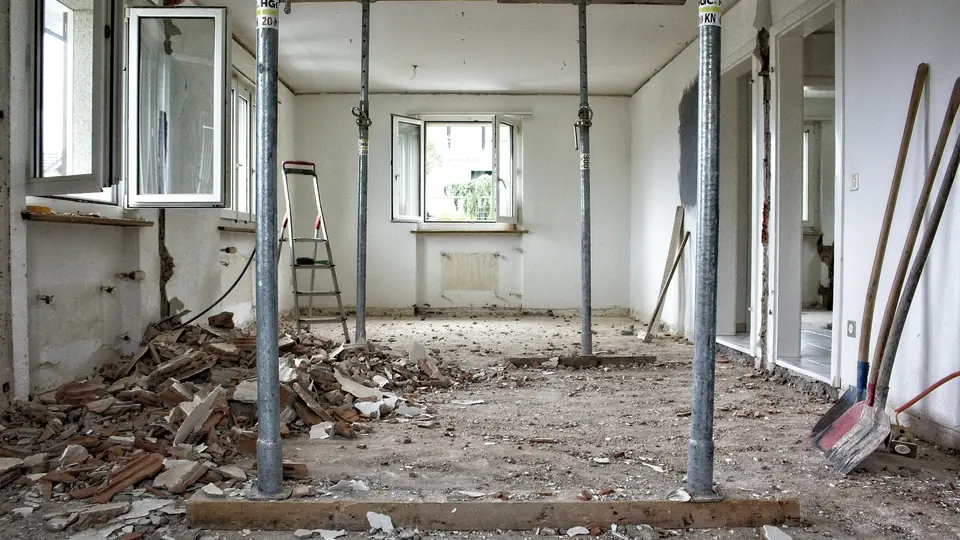
Light refurbishment
Lenders typically treat work as light when it improves a property without altering its structure. Examples include:
- New kitchens and bathrooms
- Rewiring, replumbing and new heating
- Replacement windows and doors
- Plastering, flooring and decoration
- Minor internal changes that do not affect load-bearing walls
Many lenders apply a cost limit too, often expressing it as a proportion of the property's current value. Light refurbishment bridges are widely available and usually priced close to standard bridging.
Heavy refurbishment
Work becomes heavy once it involves the structure, the layout or the use of the building. Examples include:
- Removing load-bearing walls, new steels or underpinning
- Extensions and loft conversions
- Converting a house into flats or a house in multiple occupation
- Changing use, such as offices to residential under permitted development
- Work needing planning permission or full building regulations approval
- Projects where the works cost a large share of the current value
Heavy refurbishment finance is offered by fewer lenders, with more due diligence, and is usually priced higher.
How works are funded
For light works, many lenders fund the purchase only and expect you to pay for the works yourself, while some will include a works element. For heavy works, lenders commonly release works funding in stages, in arrears, after a surveyor confirms the work is done. You fund each stage first and are reimbursed, so cash flow needs planning.
For the larger schemes, some lenders size the total facility against the value after the works, the gross development value, rather than just today's value. See LTV and LTGDV explained.
What lenders will ask for
For light works, a schedule of works with costs and a realistic timeline is usually enough. For heavy works, expect to provide:
- Planning permission or prior approval, where needed
- Building regulations plans and approval
- A detailed, costed schedule of works, ideally from a contractor or surveyor
- Contractor details and your own experience of similar projects
- Evidence of the end value, such as comparable sales or rents
A lender may also appoint a surveyor to review the costs before the first release, much like a monitoring surveyor on development finance.
When it becomes development
As works become larger, the line between heavy refurbishment and development blurs. Where the works cost more than the property is worth today, or the project creates several new units, a development facility is often the better fit. Our guide to bridging vs development finance explains the difference.
Instant Quotes asks whether your works are light or heavy, so the results reflect lenders that fund that type of project: try Instant Quotes.
Planning the exit after works
The exit after a refurbishment is usually a sale or a refinance at the improved value. Both depend on the works being finished, signed off and reflected in the valuation. For heavier works, that means building control completion certificates, and for new units, warranties or professional consultant's certificates that buyers' mortgage lenders will accept.
If you plan to refinance, check before you start that the mortgage you need will be available for the finished property, including any minimum ownership period before the new value is used, and that the rent will meet interest cover tests. Allow time in the bridge term for sign-off, valuation and the mortgage application after the works finish. Our guide to exit strategies covers this in more detail, and bridge to term products can combine both stages with one lender.
Common questions
Is a new kitchen and bathroom light refurbishment?
Usually yes. Cosmetic and non-structural work such as kitchens, bathrooms, rewiring and decoration is normally treated as light refurbishment.
Is converting a house into flats heavy refurbishment?
Yes. Conversions that change layout or use, and need planning or building regulations approval, are treated as heavy refurbishment or development.
Will a lender fund the cost of the works?
Some will, usually releasing funds in stages after the work is checked. Others fund the purchase only and expect you to pay for the works.
Is refurbishment finance different from a bridging loan?
Refurbishment finance is a type of bridging loan. A plain bridge funds the purchase only, while a refurbishment bridge can also release money for the works in stages, sometimes sized against the value after the works.
This guide is for general information only and should not be treated as legal, tax or financial advice. Lender requirements depend on the property and your circumstances.
