Small HMOs, large HMOs and multi-unit blocks
In England, a small HMO is a property shared by three to six unrelated people who share facilities such as a kitchen or bathroom, which falls within use class C4. Converting a family house into a small HMO is often permitted development, unless the local authority has made an Article 4 direction removing that right, in which case planning permission is needed. A large HMO, for seven or more occupants, is a sui generis use and needs planning permission.
Separately from planning, mandatory licensing applies to HMOs occupied by five or more people forming two or more households, and many councils run additional or selective licensing schemes covering smaller properties. Licences set conditions on room sizes, facilities and fire safety.
A multi-unit freehold block is different: a single building on one title containing several self-contained flats. Lenders treat these as a distinct property type and look at whether the flats could be sold or mortgaged individually.
Rules differ in Wales and Scotland, so lenders and valuers will check the local position.
How lenders value HMOs
The valuation basis is one of the biggest differences between lenders. Many value an HMO on its bricks and mortar value, meaning what it would be worth as a standard house or block, ignoring the extra income from letting rooms. Others will consider an investment value based on the rental income, which can be higher, particularly for larger, well-run HMOs.
The basis used has a direct effect on how much you can borrow and on the exit. If your refinance lender uses bricks and mortar value, the amount you can raise at the end may be lower than you expect. Checking both the bridging lender's approach and the likely refinance lender's approach at the outset avoids a gap at the exit.
For multi-unit blocks, valuers may give a value for the block as a whole and an aggregate value of the individual flats. Lenders usually lend against the block value unless the units have separate titles.
Conversion and refurbishment works
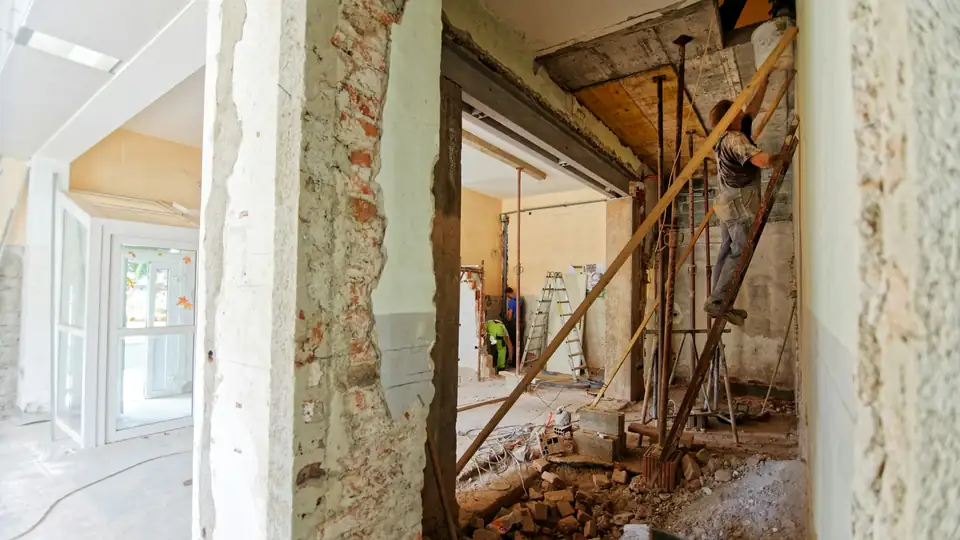
HMO works range from light updates, such as redecoration and new kitchens, to conversions that add bedrooms and bathrooms or reconfigure the layout. Lenders treat structural works, planning and building regulations cases as heavier refurbishment, and some ask for previous HMO or conversion experience before funding them.
A clear case usually covers:
- Licensing requirements for the area, including any additional licensing scheme
- Minimum room sizes, which in England start at 6.51 square metres for a room used for sleeping by one adult in a licensed HMO
- Fire doors, alarms, escape routes and other fire safety measures
- Planning permission or a lawful development certificate where needed
- A costed schedule of works and the contractor's details
Works funding is normally released in stages after inspection, and the facility may be sized against the value once the works are complete.
Exit routes and timing
Most HMO bridges are repaid by refinancing onto an HMO or portfolio buy-to-let mortgage. Those lenders usually want the property licensed where required, let or ready to let, and meeting their rental cover tests, and some set minimum experience levels for HMO landlords. Allow time in the term for the licence application, which can take months in some areas, and for letting the rooms.
For multi-unit blocks, the exit may be a refinance of the block or a title split with individual flats sold or refinanced. A title split needs leases and a management structure, which take time to set up.
We compare lenders on valuation basis, works funding and experience requirements, then approach suitable lenders with a clear case. Instant Quotes gives indicative figures as a starting point, and final terms depend on each lender's valuation and checks.
If you or your family will live in the property
If the borrower is an individual or the trustees of a trust, and the property is, or will be, lived in by you or a close family member, the loan is a regulated mortgage contract with additional protections. We will tell you at the outset if that applies and how your case will be handled, and Instant Quotes shows only products built for regulated bridging when you tell us so.
Your home or property may be repossessed if you do not keep up repayments on a mortgage or any other debt secured on it.
MUFB finance: bridging a multi-unit freehold block
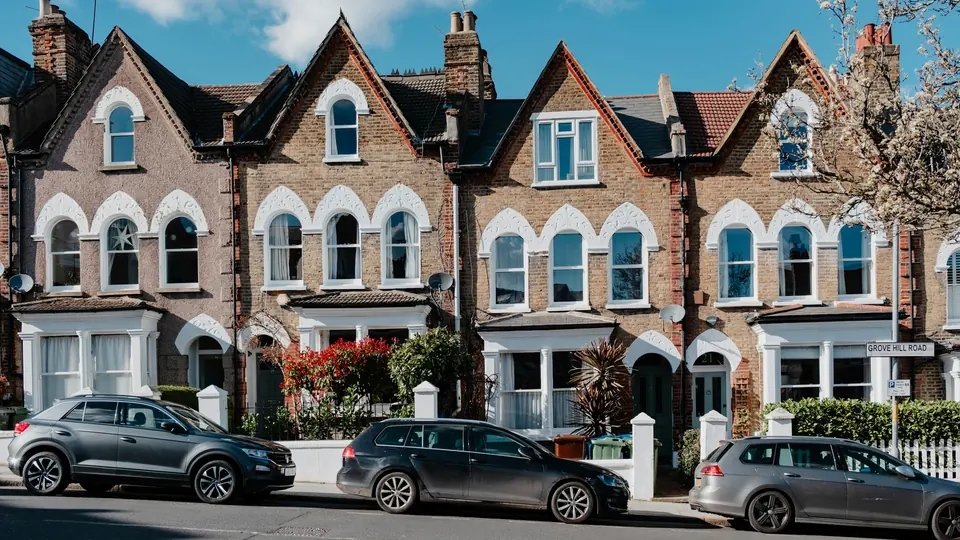
MUFB finance is a loan secured on a multi-unit freehold block: one freehold title holding several self-contained flats, usually with a single owner and no long leases sold off. Investors buy them because one purchase brings several rents, and because there may be scope to add value later by improving the flats, re-letting them or, with the right consents, splitting the title and selling or refinancing the flats one by one.
Fewer lenders cover MUFBs than single flats or houses, and those that do look at a few points in particular:
- How many units there are, and whether each has its own kitchen, bathroom, entrance and, ideally, its own meters.
- Whether the flats meet building regulations and, where needed, have planning consent as separate dwellings.
- The valuation basis: some lenders value the block as a single investment on its rent, which can come out lower than the sum of the flats sold individually.
- The exit: a term MUFB mortgage, a sale of the whole block, or the sale or refinance of individual flats once leases are created.
A bridge is common where the block needs works, is part empty, or is bought at auction, then refinanced onto a longer-term MUFB mortgage once it is let. If the plan is to convert a house into flats first, see conversion finance or heavy refurbishment finance, and for a mixed block with shops below, semi-commercial bridging.