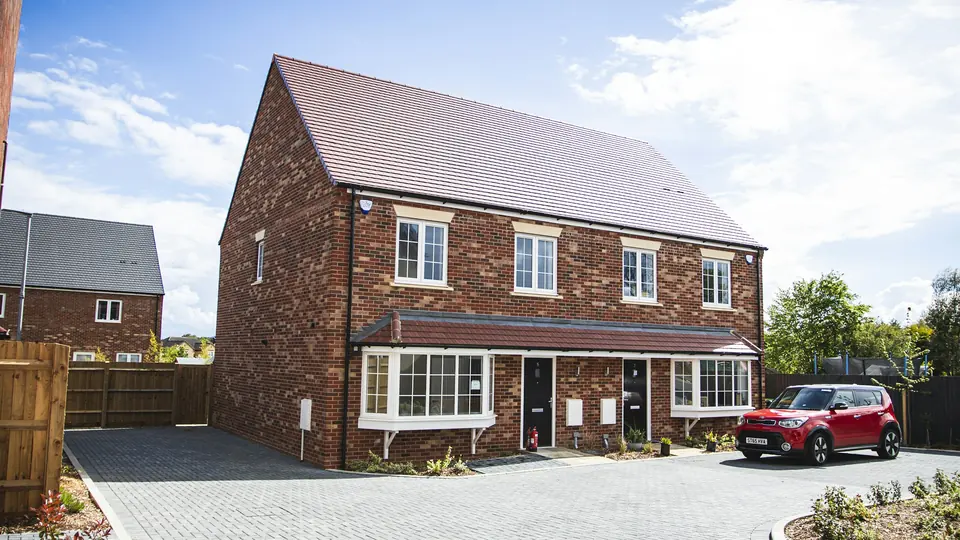
Blend Network, which trades as BLEND, is a UK property lending platform that backs developers on residential projects. It funds ground-up development, conversions and heavy refurbishment from £1m to £10m, and bridging for acquisitions, refurbishment and development exit from £400,000 to £5m, on residential and mixed-use property in England and Wales. Bridge & Build Finance is an independent broker and is not part of Blend Network, so we can compare its terms with other development and bridging lenders. You can read more on Blend Network's own website.
About Blend Network
Blend Network is the name used by Blend Loan Network, a company registered in England and Wales and authorised and regulated by the Financial Conduct Authority for its investment platform. It is not a bank. Blend began as a peer-to-peer lending network, with loans funded by investors on its platform, and its lending is now backed by family-office funding. Blend acts as the single point of contact for the borrower throughout.
Blend describes itself as backing property developers in their residential projects and says its team are "property experts, not just financiers". It highlights a tailored approach to structuring each loan, a paperless credit approval process and ongoing support for repeat borrowers. Its website does not give a founding date or ownership details, so we have not stated them here.
Blend Network is one of the lenders we compare for development finance and bridging loans on mid-sized residential and mixed-use schemes.
What Blend Network funds
At the time of writing (October 2026), Blend lists the following loan types for developers:
| Loan type | What it is for |
|---|---|
| Development finance | Ground-up, conversion and heavy refurbishment schemes, residential and mixed-use, including office-to-residential |
| Refurbishment | Light and heavy refurbishment, including HMOs and student accommodation |
| Bridging | Buying a property quickly where no works are needed |
| Development exit | Refinancing a completed or nearly completed scheme while units are sold or let |
Blend's development finance runs from £1m to £10m, at up to 75% of gross development value, over terms of 6 to 36 months. Its bridging loans, for development exit, fast purchases and refurbishment, run from £400,000 to £5m at up to 75% of open market value, for up to 18 months. Both are for residential and mixed-use property in England and Wales only, and the bridging is unregulated lending to property investors.
Development loans are secured by a first charge and a debenture, with capped personal guarantees, and Blend does not offer unsecured loans. It also considers joint ventures with land owners and works with mezzanine and equity partners, which can mean the developer needs to put in little or no cash. Early repayment normally carries no penalty unless the agreement sets a minimum term, and an exit fee may apply at maturity.
See our guides to development exit finance and commercial-to-residential finance for how these products typically work.
Who Blend Network suits (and who it may not)
Blend Network tends to suit:
- Experienced residential and mixed-use developers in England and Wales.
- Contractors moving into development, who Blend says it works with.
- Development schemes needing £1m to £10m, or bridges of £400,000 to £5m.
- Developers converting offices to flats or carrying out heavy refurbishment.
- Developers putting together a land-owner joint venture, or working with mezzanine or equity partners.
- Repeat borrowers who want an ongoing lending relationship.
It is likely to be a poorer fit for borrowers with no development or construction background, bridges below £400,000, property in Scotland or Northern Ireland, regulated loans on a home, and borrowers based outside the UK, as Blend says borrowers must be UK-based. Commercial-only schemes also fall outside its residential and mixed-use focus.
What Blend Network looks at
Blend says it applies strict eligibility criteria and assesses both the borrowing business and the individuals who own and control it. As with most development lenders, it will typically look at:
- The developer's experience and completed projects.
- Planning, the build programme, cost plan and contractor.
- The gross development value and local sales evidence.
- The level of the developer's own cash in the scheme.
- The exit route, whether unit sales or refinance.
Applications must be made by an authorised officer of the business, and Blend says its monitoring continues after the loan is drawn.
Pros and cons
Pros
- Covers development, refurbishment, bridging and exit under one lender.
- Up to 75% of GDV on development and up to 75% of value on bridging.
- Funds conversions, HMOs and student accommodation as well as new build.
- Early repayment normally carries no penalty.
- Land-owner joint ventures and mezzanine or equity partners considered.
Cons
- Aimed at experienced developers and contractors with a building background.
- England and Wales only.
- An exit fee may apply.
- Borrowers must be UK-based, so overseas borrowers are unlikely to fit.
Going through a broker vs going direct
You can apply to Blend Network directly, and it also works with brokers. Platform lenders, specialist lenders and banks can offer very different terms on the same scheme, especially on leverage, fees and exit charges. We search the market, approach suitable lenders and present your scheme so you can compare a Blend offer with others on a like-for-like basis.
It is free to enquire, and any broker fee is agreed with you before you proceed. Our development finance page sets out what lenders will typically ask to see.
Alternatives to Blend Network
- CrowdProperty: another investor-funded lender focused on SME residential development.
- Relendex: a platform lender for development schemes of a similar size.
- CapitalRise: development lending funded by investors, often on higher-value schemes.
- Assetz Capital: development, bridging and refurbishment finance for SME developers.
Common questions
How much can I borrow from Blend Network?
Blend's development finance runs from £1m to £10m, and its bridging loans from £400,000 to £5m.
What LTGDV does Blend Network lend at?
Up to 75% of gross development value on development finance, over terms of 6 to 36 months. Its bridging goes up to 75% of open market value.
Does Blend Network offer bridging loans?
Yes. Blend offers unregulated bridging from £400,000 to £5m, at up to 75% of value for up to 18 months, for development exit, fast purchases and refurbishment in England and Wales.
Is Blend Network a bank?
No. Blend began as an FCA-authorised investor lending platform and its lending is now backed by family-office funding. Loans are secured by a first charge over property.
Do I need experience to borrow from Blend Network?
Blend focuses on experienced developers, but it works with contractors moving into development, so a building background can count towards experience.
Where does Blend Network lend?
England and Wales only, on residential and mixed-use property. It does not lend in Scotland or Northern Ireland.
This review is our independent summary of the lender's publicly stated lending, checked in October 2026. Criteria change, so confirm the current position before relying on it. Bridge & Build Finance is an independent broker and is not part of any lender reviewed. Finance is subject to status, valuation and lender approval.
