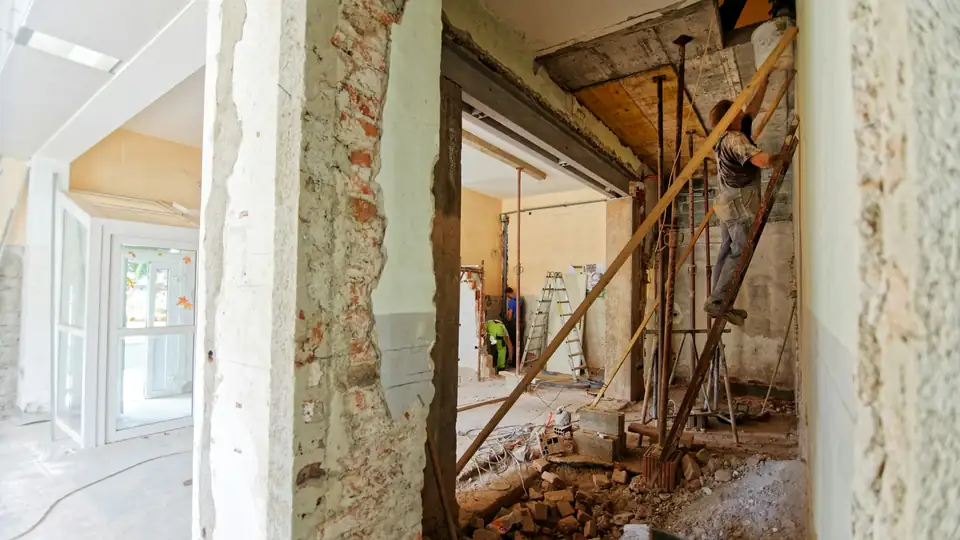
How a flip is usually funded
Bridging suits flips because the term is short and the loan is repaid in one go when the property sells. A typical project uses light refurbishment bridging: the lender advances part of the purchase price on day one, and either releases funds for the works after they are done or leaves you to pay for them yourself.
Lenders size the loan against the current value and, on works-funded products, against the value after the works, often called the gross development value. Interest is usually retained or rolled up so there are no monthly payments during the project. Our guide to light and heavy refurbishment explains where the line between the two sits. If the works are structural or need planning, the project is likely to need heavy refurbishment finance instead.
Making the numbers work
A flip only works if the sale price covers every cost with enough left over. Lenders look at the same figures, so a clear budget helps both you and the application. Allow for:
- The purchase price, stamp duty, legal fees and survey costs
- The works, with a contingency for what you find once walls and floors are opened up
- Bridging interest for the whole period, including the time it takes to sell
- Arrangement, valuation, exit and legal fees on the loan
- Selling costs, such as agent's fees and legal fees on the sale
Buyers of an additional residential property usually pay the higher rates of stamp duty in England and Northern Ireland, which can make a large difference to a flip's margin. The government's residential rates page sets out the current figures, and our stamp duty guide covers how it fits with bridging. The bridging cost calculator shows the interest and fees over different terms.
The exit: selling within the term
The sale is the exit, so lenders want to see that the price is achievable in that street and that the term allows time for the works, marketing, a buyer's mortgage and conveyancing. A term a few months longer than your plan costs relatively little and protects you if the sale slows down.
It is worth having a fallback. If the property does not sell at the price you need, refinancing onto a buy-to-let mortgage and letting it may be possible, which is why many investors check rental demand as well as sale prices before they buy. A bridge to let lender that offers both stages can make that switch simpler. Our guide to bridging exit strategies covers the options.
Experience and first flips
Lenders are generally more flexible for borrowers who have refurbished and sold property before, and some products are only available to experienced investors. A first flip can still be funded, often with a lower loan to value, a simpler scope of works and evidence of the contractor's experience.
If you or a close family member will live in the property at any point, the loan is likely to be a regulated mortgage contract with additional protections, and a different product range applies. We will tell you at the outset how your case will be handled.
We compare lenders on day-one advance, works funding, rate and fees, then approach suitable lenders with a clear case. Instant Quotes gives indicative figures as a starting point, and final terms depend on each lender's valuation and checks.